

 See My Latest Article on HelloNation
What Are the Main Types of Solar Panels Found on Homes?
Three main types of solar panels are available for residential rooftops: monocrystalline, polycrystalline, and thin-film. Each kind uses a different technology and performs differently under real-world conditions.
- Monocrystalline panels are known for their high efficiency and sleek dark appearance.
- Polycrystalline panels tend to have a blue color and are slightly less efficient, but are usually more affordable.
- Thin-film panels are lightweight, flexible, and can be installed in places where heavier panels are not practical.
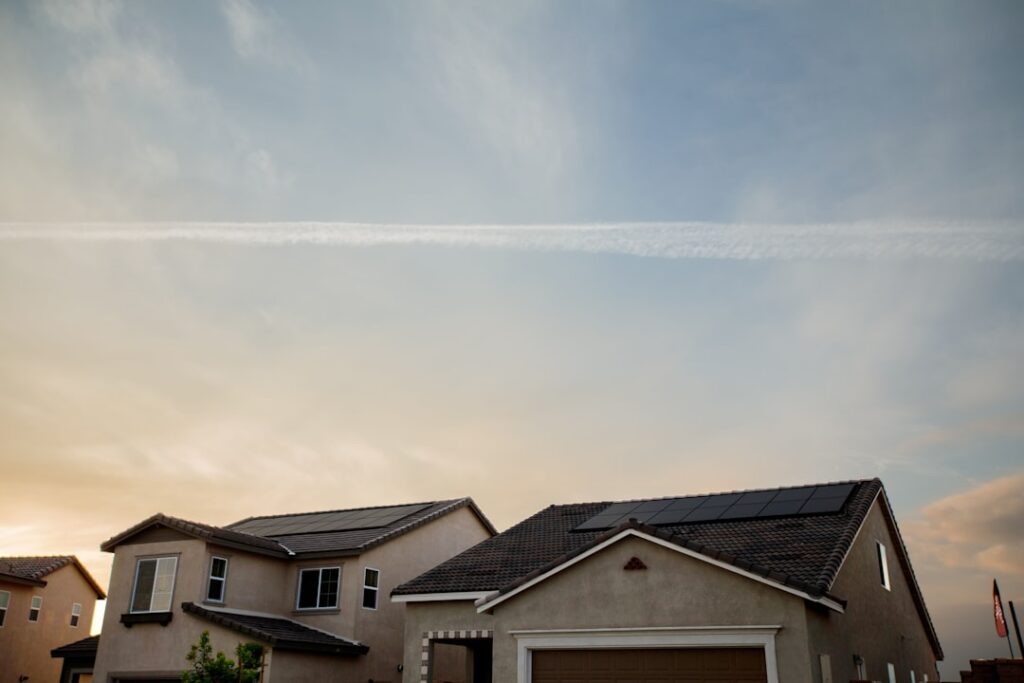
Most local homes have either monocrystalline or polycrystalline panels due to their durability and efficiency in mixed sun and shade conditions typical of area neighborhoods.
How Does Each Type Perform in Nashville's Climate?
All three panel types work well with the city's blend of sunny summers and mild winters, but their performance varies throughout the year.
- Monocrystalline panels are the most effective during peak summer sun, as they convert sunlight to electricity with higher efficiency.
- Polycrystalline panels perform strongly as well, though they are slightly less efficient in very high heat.
- Thin-film panels handle high temperatures and partial shade better than the other options but require more space to produce the same amount of electricity.
Local factors such as frequent afternoon cloud cover or tree shade can favor panels with better low-light performance, like monocrystalline.
Are Monocrystalline Panels Worth Considering?
Monocrystalline panels are often chosen for homes where roof space is limited and energy needs are higher. Their efficiency is helpful for local households with shaded lots or complex roof shapes. The panels' dark color often blends in discreetly with many roofing materials found in the region. Although they tend to cost more upfront, the efficiency advantage can translate to higher energy savings over the years for some families.
What About Polycrystalline Panels for Area Households?
Polycrystalline panels offer a practical balance of cost and performance. They're a popular pick for local residents who have a bit more roof area to work with and want to maximize electricity production per dollar. The blue tint is a distinctive feature but doesn't impact performance. These panels are reliable in the city's variable weather, from rainy fall days to sun-drenched summer afternoons.
Where Do Thin-Film Panels Make Sense?
Thin-film solar panels are typically used where traditional panels can't be installed—such as on lightweight roofs, curved surfaces, or certain outbuildings. They are flexible, lightweight, and less visually noticeable from the street. While not as efficient as other types, they’re sometimes used for garages, sheds, or unusual rooflines across the city. They also perform adequately in cloudy or partially shaded conditions.
What Should Residents Consider for Their Home?
Choosing the right panel type involves assessing:
- How much roof or ground space is available
- How much sunlight the property receives, considering trees and roof orientation
- Whether aesthetics or panel visibility are a concern
- The balance between upfront cost and long-term energy savings

For most homes, solar panel selection comes down to efficiency goals versus cost and space constraints. Monocrystalline panels suit smaller, more shaded rooftops, while polycrystalline may be preferable for larger roof areas and tighter budgets.
Common Misconceptions About Solar Panel Types
Some residents worry that local weather patterns make thin-film panels necessary; in reality, any of the main types work well due to the city's overall high solar potential. Another misconception is that blue panels (polycrystalline) are outdated—both main crystal types remain common on new installations, thanks to ongoing technological improvements.
Does the City Require One Type Over Another?
There are no local laws requiring a specific panel type for residential use. Homeowners can choose any panel type meeting national and state standards. However, local historic district guidelines, homeowners’ associations, or unique roof layouts might influence which style works best in some neighborhoods.
Do Panel Types Affect Maintenance or Lifespan?
All major panel types are low-maintenance and designed for decades of use. Monocrystalline and polycrystalline panels routinely last 25 years or more, while most thin-film panels have a slightly shorter lifespan. Regular cleaning and visual checks are all most installations need. Panel choice generally does not affect how often service is required.
Are There Visual Differences to Know About?
Yes, each type looks a bit different:
- Monocrystalline panels are black or very dark, with a uniform color.
- Polycrystalline panels are typically blue with a slightly speckled appearance.
- Thin-film panels are very thin, can appear matte black or dark, and lay almost flat on the roof.
Some residents prefer panels that are less conspicuous, which sometimes influences which type gets chosen for homes visible from the street.