

 See My Latest Article on HelloNation
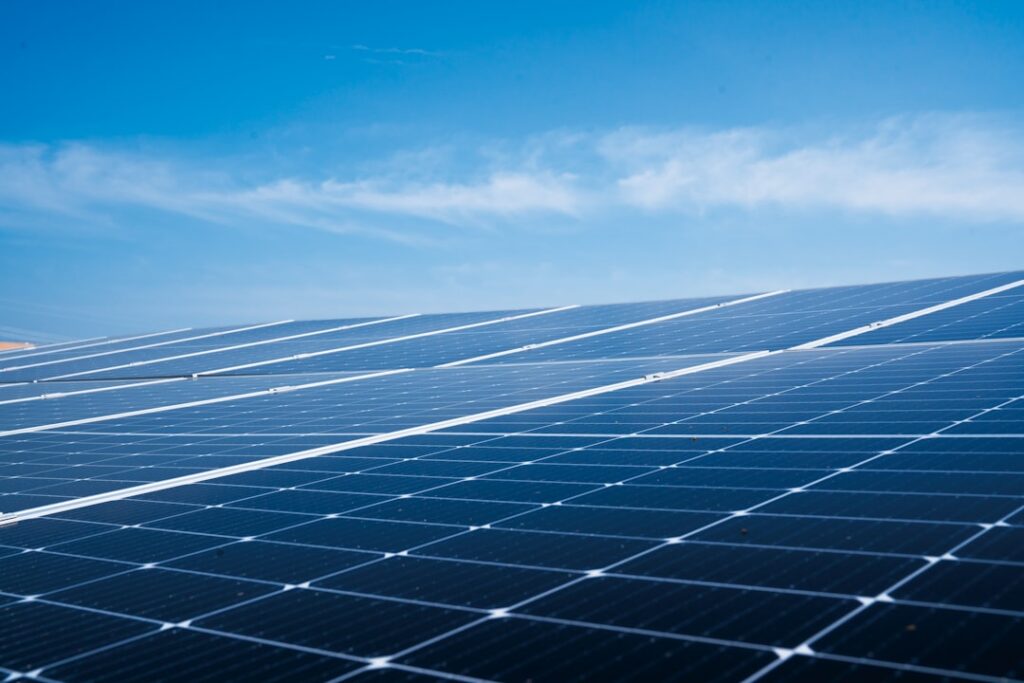
How Does Using Solar Energy Help the Local Environment?
Solar energy produces electricity without the direct air pollution or greenhouse gas emissions linked to traditional fossil fuels. In Nashville, where energy demand peaks during hot, humid summers, switching even part of household or community power needs to solar can reduce the area's dependency on coal and gas power generation. This transition contributes to cleaner air and supports health and quality of life across the region.
What Are the Main Environmental Benefits of Solar in Nashville?
Solar energy offers several advantages with direct relevance to local residents:
- Reduces air pollution: Most electricity in the area still involves burning fossil fuels, which releases emissions like sulfur dioxide, nitrogen oxides, and carbon dioxide. Solar panels generate energy without these pollutants.
- Lowers greenhouse gas emissions: By producing clean electricity, solar panels help slow the accumulation of heat-trapping gases in the atmosphere. For cities with significant seasonal temperature swings, this can assist in efforts to moderate climate change impacts over time.
- Preserves water resources: Traditional power plants require vast amounts of water for cooling. Solar panels do not use water to generate electricity, easing pressure on local water systems—especially important during periods of drought or high usage.
Is Solar Energy Actually “Clean” from Start to Finish?
While solar panels themselves produce zero emissions during operation, their manufacture, transport, and eventual recycling do have environmental impacts. Most studies show, however, that the emissions and energy used in the life cycle of modern solar panels are much lower than those associated with extracting, transporting, and burning fossil fuels. Panels typically pay back their “energy debt” within one to four years of operation. With average lifespans reaching 25 to 30 years, the long-term environmental balance is strongly positive.
How Does Solar Benefit Local Air Quality?
The city’s geography and climate can make air quality concerns more acute during certain times of year, especially in hot, stagnant periods when ozone and particulate matter can build up. Because solar panels don’t emit air pollutants as they generate power:
- Reducing reliance on coal-fired power plants limits formation of local smog and respiratory irritants.
- Improved air quality can be especially significant for residents with asthma or other breathing difficulties, seniors, and children.
- Cleaner air also benefits local plant and animal life by limiting acid rain and other forms of deposition.
Residents concerned about frequently announced “air quality alert” days stand to benefit most from the steady, non-polluting electricity output of solar panels.
Are There Misconceptions About Solar’s Environmental Impact?
A few common misconceptions can lead to confusion:
- Some believe solar panels require more energy to make than they ever save, but data from reputable sources shows most panels recover their manufacturing energy quickly and then provide decades of clean electricity.
- Concerns about disposal are real, but not unique to solar. The industry and government agencies are expanding recycling options for panels at the end of their life.
- Shading from trees or shorter winter days does reduce electricity production, but panels continue generating significant carbon-free power even on cloudy days typical of Nashville’s variable climate.
How Does Solar Fit Local Lifestyles and Homes?

Installing solar panels is compatible with many types of housing, whether detached homes, townhouses, or community solar arrays. Roofs with good sun exposure (minimal shade, south-facing, or angled toward the sun) receive the best solar output, but advances in technology have improved results even in less-than-ideal conditions. Some residents supplement existing grid power with solar, reducing household emissions and costs rather than eliminating grid connections completely.
For renters, community solar and participation in local renewable energy programs offer pathways for cleaner electricity without onsite panels.
What Do Environmental Benefits Mean for the Broader Community?
Choosing solar means contributing to a city-wide reduction in harmful emissions. When many households and businesses use even partial solar power, the cumulative effect can:
- Help meet local and state air quality targets
- Support energy independence and reliability for area residents
- Encourage wider adoption of other eco-friendly measures, such as heat pumps, electric vehicles, and improved insulation
Individuals sometimes assume their contribution is too small to matter, but every kilowatt-hour generated locally through solar reduces the demand placed on older, polluting power plants—especially during summer’s highest energy use.
What Should Residents Consider Before Installing Solar for Environmental Reasons?
The environmental impact of solar is positive overall, but local context matters:
- Carefully evaluate sun exposure on your property throughout the year, as shade from mature trees or buildings affects performance.
- Factor in proper installation, grid interconnection, and plans for panel recycling or disposal at the end of their useful life.
- Consider combining solar with energy efficiency upgrades for the biggest environmental and financial benefit.
While direct financial incentives can change over time, the environmental benefits of solar tend to be long-lasting and resilient to shifting energy prices or policies.