
 See My Latest Article on HelloNation
Do Solar Panels Work When It’s Cloudy or During Winter in Nashville, TN?
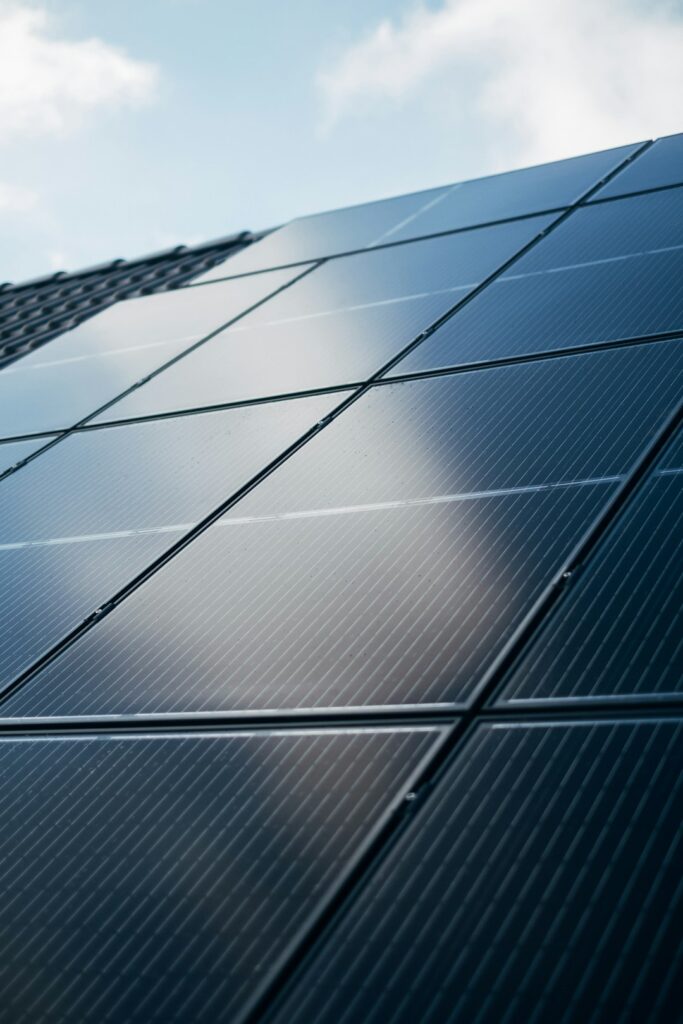
Solar panels still generate electricity on cloudy days and during winter months, though output can be lower. In Nashville, over 200 days are partly sunny or clear each year, making solar a viable option for most households. Solar panels collect both direct sunlight and diffuse light reflected from clouds and surfaces. While output drops compared to peak summer days, energy production does not stop. Snowfall is infrequent in this region, and panels are designed to shed light snow quickly because of their angled surfaces. Even in overcast conditions, modern panels convert available light into usable energy, making solar panels a year-round contributor to household electricity needs.
Is Solar Power Too Expensive for the Average Household?
The upfront cost of installing solar has decreased significantly over the last decade, but many people still believe it is prohibitively expensive. In reality, system prices have dropped in part due to advances in technology and greater installation efficiency. In Nashville, some residents may also be eligible for federal tax credits, state programs, or utility incentives that can reduce costs further. Additionally, solar panels generally increase property values and offer long-term savings on electric bills. This means households planning to stay in their homes for several years may recoup their investment and see real savings.
Will Solar Panels Damage My Roof?
Properly installed solar panels do not damage a well-maintained roof. Solar installers use mounting systems designed to protect roof materials and prevent leaks. In fact, panels often act as a protective layer, shielding sections of the roof from sun, wind, and rain. For most homes in Nashville, shingle roofs are common, and solar systems are routinely installed on them without issues. Roofs in poor condition should be repaired before installation; otherwise, the solar equipment itself does not create problems if guidelines and manufacturer recommendations are followed.
Are Solar Panels Hard to Maintain?
Solar panel systems are generally low-maintenance. In the Nashville climate, rainfall usually keeps panels clean enough for efficient operation. Occasional rinsing or inspection might be useful, especially in areas with lots of pollen or after long dry spells. Most solar power systems are designed with few or no moving parts, so day-to-day operation is hands-off for the homeowner. Modern inverters and monitoring apps allow users to check performance at a glance, adding peace of mind. Routine monitoring and rare professional inspections, such as after severe storms, are usually all that’s needed.
Can Solar Power Really Work During Local Power Outages?
Standard grid-tied solar systems automatically shut off during power outages to protect utility workers. Therefore, without additional equipment like battery storage or a dedicated backup system, homes won’t have power from solar panels during outages. Nashville residents interested in backup options should be aware that batteries are becoming more affordable and offer the ability to keep essential services running when the grid is down. For typical households without batteries, solar panels mainly offset electricity use when the grid is up and running.
Do Solar Panels Need Direct Sunlight All Day to Be Effective?

Panels are designed to operate under a range of sunlight conditions. In Nashville, homes facing south often get the best performance, but not all roofs are perfectly oriented. East- and west-facing panels can still provide significant power for household use. Shading from trees, chimneys, or neighboring buildings reduces output, but careful planning can often minimize these effects. Partial shade in the mornings or late afternoons doesn’t make solar "not worth it"—projection tools can provide realistic estimates of annual production based on specific roof conditions in the area.
Is Solar Only for New or Modern Homes?
Solar panels can be installed on many types of existing homes. Homes of different ages, architectural styles, and roof types across Nashville have adopted solar. What matters most is the condition, size, and orientation of the roof. While new construction offers a chance to optimize solar integration, retrofitting panels onto older homes is entirely possible and very common. Special mounting systems are available for metal, shingle, and even flat roofs, so most local property types can be adapted.
Will Solar Panels Hurt My Property Value or Make My Home Harder to Sell?
Solar installations typically increase property value, as buyers recognize the potential for lower electric bills and clean energy benefits. Multiple studies show that homes with solar panels often sell faster and for more compared to similar homes without solar. In neighborhoods across Nashville and similar cities, buyers are becoming more educated about solar and see it as a desirable feature. Home resale value is also supported by transferable warranties and clear documentation of installation and energy savings.
Do Solar Panels Harm the Local Environment?
Manufacturing solar panels involves energy and resources, but the long-term benefits often outweigh those impacts. Once in operation, solar panels offset significantly more carbon emissions and air pollution than are generated during their production. By generating electricity locally, solar reduces the demand on power plants that rely on natural gas or coal — fuels still common in Tennessee’s energy grid. Panels also operate quietly and require little water, making them a low-impact addition that contributes to improved air quality and public health in the community.