
 See My Latest Article on HelloNation
How Do Solar Panels Capture Sunlight?
Solar panels generate electricity by absorbing sunlight and converting it into usable energy for homes. They are made of special materials called photovoltaic (PV) cells that respond to sunlight’s energy.
Every PV cell is made primarily from silicon, a type of semiconductor. When sunlight hits these cells, it excites the electrons inside, setting them in motion. This movement creates a flow of electric current, which is the root of solar power.
During the sunny spring and summer months in Nashville, local homeowners benefit from longer daylight hours and more direct sunlight—conditions that increase the electrical output of solar arrays. Even when clouds or partial shade are present, panels can still generate power, though at a reduced rate.
What Happens to the Electricity Right Away?
Once sunlight is converted to direct current (DC) electricity by the panels, an inverter changes it into alternating current (AC) electricity—the standard type used in homes. The inverter is usually installed close to the main electrical panel, often on an exterior wall or in a utility area.
- DC electricity flows from the panels into the inverter.
- The inverter transforms DC into AC electricity.
- The home’s electrical system uses this AC right away for lighting, appliances, or HVAC units.
This process happens nearly instantaneously and automatically, so residents don’t notice a difference in how their devices function.
What If a Home Makes More Power Than It Uses?
On particularly sunny days, panels can sometimes generate more power than a household uses, especially when most residents are away at work or school. In communities like Nashville, this excess electricity usually travels back to the local electrical grid.
Many homes are equipped with a net meter, which can track both incoming electricity from the utility and outgoing solar output. Net metering policies in Tennessee allow households to receive credits for any surplus power sent back to the grid, leading to lower utility bills. Each credit can be applied if energy needs exceed solar output on another day, such as during the shorter days of winter.
How Do Solar Panels Affect Homes During Cloudy or Rainy Days?
While solar panels operate best in direct sunlight, they still produce electricity on cloudy, overcast, or rainy days. The power output is lower, often dropping to 10–25% of peak performance under heavy cloud cover. Still, panels continue to generate some electricity anytime daylight is present.
The mix of sunny and cloudy weather in Nashville means that solar energy production fluctuates seasonally. Most residential systems are connected to the grid, letting households draw power from the utility when their panels aren’t producing enough, and returning excess energy when available.
Where Are Solar Panels Installed on Nashville Houses?
In most local homes, solar panels are placed on rooftops. South-facing roof slopes provide optimal sunlight exposure in the Northern Hemisphere, which maximizes energy production. Factors local residents consider include:
- Roof angle and orientation, since steep angles and southern exposure capture more year-round sun
- Shading from nearby trees or buildings, which can impact performance
- Available roof space—larger surfaces allow more panels and higher electricity generation
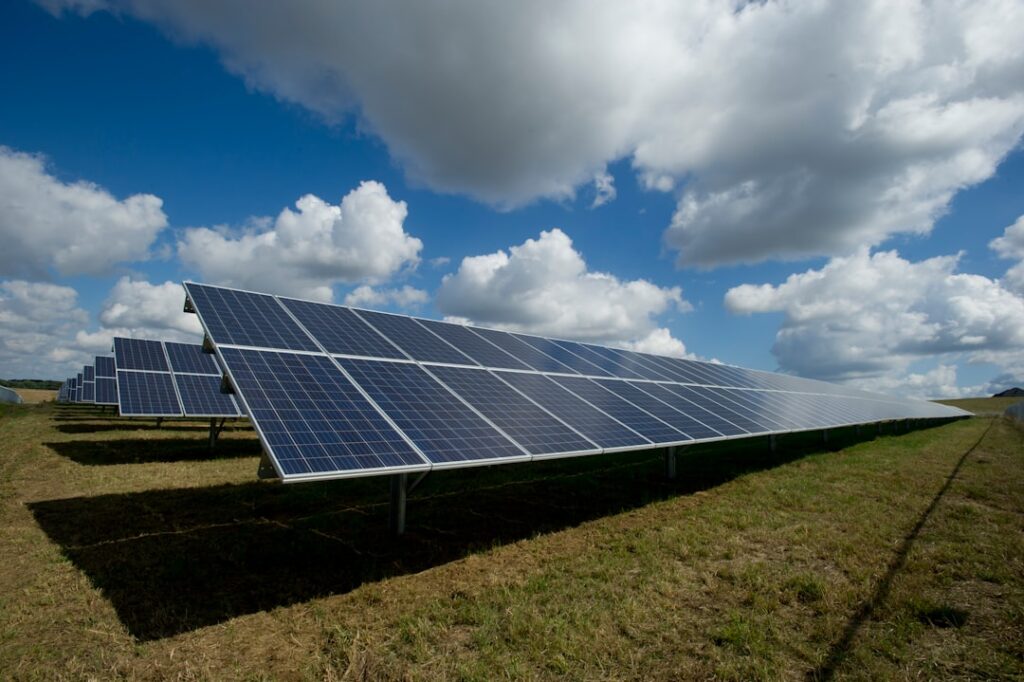
Where roof mounting isn’t possible or practical, such as with older or shaded homes, ground-mounted panels in the yard may be an alternative.
Does Temperature Impact Solar Panel Performance?
Some may think that high temperatures mean better performance, but solar panels are actually more efficient in cooler, sunny conditions. Abundant spring and fall days in Nashville provide good output without possible overheating.

Extremely hot conditions, like those during Tennessee summers, can reduce panel efficiency slightly, though ample sunshine still leads to strong overall production. Solar panels are built to withstand weather extremes, including heat waves, hail, snow, and heavy rain, which means they function reliably year-round.
What Everyday Benefits Do Solar Panels Provide for Local Households?
For many in Nashville, using solar panels means:
- Lower monthly electric bills, especially in areas with high summer cooling needs
- Backup options when paired with home battery systems, which can provide limited electricity during outages
- Lower environmental impact compared to traditional grid electricity, as locally produced solar energy is renewable and emits no greenhouse gases at the source
- Opportunities to participate in local programs that encourage renewable energy adoption
Solar panels are generally low-maintenance and built to last for 25 years or more, with most area homeowners only needing periodic rinsing to remove pollen or dust, particularly in spring and fall.
Are There Any Common Misconceptions?
A few misunderstandings regularly come up among residents considering solar:
- Solar panels don’t need constant full sunlight; they still work on cloudy days, just less efficiently.
- Having panels doesn’t automatically provide power during outages; unless paired with batteries, panels turn off if grid power is lost as a safety precaution.
- Snowfall in Tennessee is rarely heavy enough to block panels for long, and panels are usually installed at an angle that lets snow slide off quickly.
Understanding the real capabilities and limitations of solar technology helps residents make informed decisions about home energy.