

 See My Latest Article on HelloNation
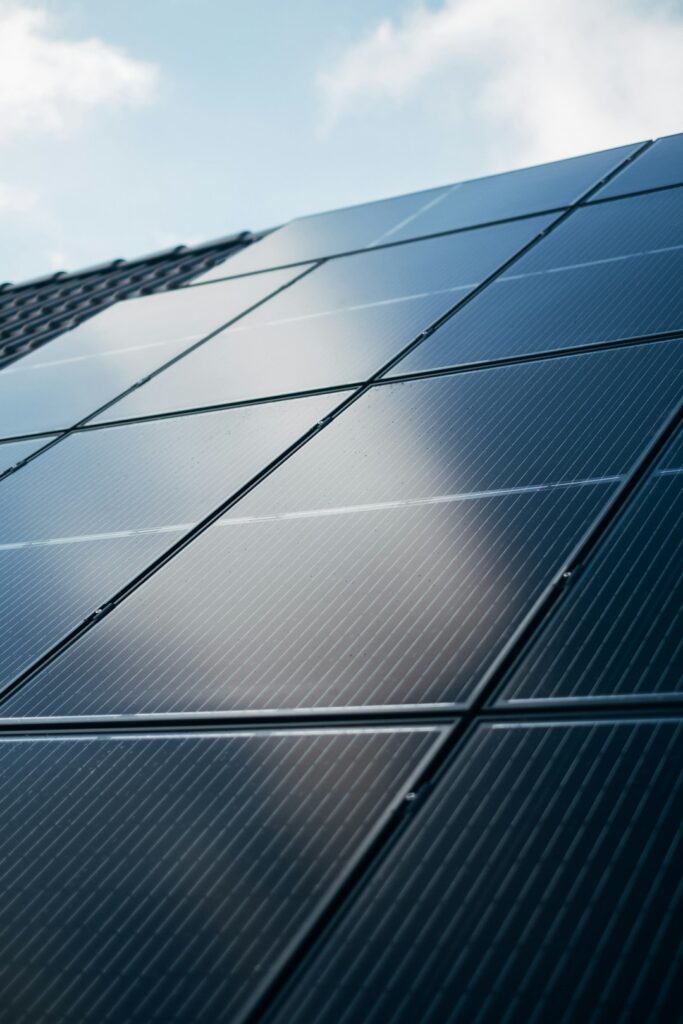
What Happens Before the Solar Panels Arrive?
Residents in Nashville, TN can expect several preparatory steps before solar panels are installed on a home. These steps ensure the proposed system matches local codes, house electrical systems, and utility requirements. Homeowners usually start the process with a detailed site assessment, where a solar technician visits the property to inspect the roof’s condition, pitch, and sun exposure. At this stage, residents may be asked about their electricity usage so that the system can be sized appropriately.
The roof is checked for structural integrity, shading from nearby trees, and any existing issues that could complicate solar mounting. If repairs are needed, these are typically addressed before moving forward. Homeowners may be surprised by how much attention is paid to not just technical factors, but also to neighborhood aesthetics and potential homeowner association guidelines, which can sometimes affect system placement.
How Does Permitting Work in Nashville, TN?
The solar permitting process in Nashville involves submitting plans to local government offices, as the city requires compliance with specific building codes and safety regulations. This step is crucial; skipping or rushing through it may cause future headaches, such as delays in utility approval or even removal of unpermitted equipment.
Permitting can take anywhere from a few days to several weeks, depending on project complexity and local review schedules. Electrical diagrams and site plans are usually required. Residents may receive updates from their installer regarding the status of permits, but can also contact local codes offices directly to track progress if needed.
What Should Homeowners Expect on the Installation Day?
On installation day, a crew will arrive—often in the morning—to begin work. For most single-family homes, installation typically takes one to three days, depending on system size and site complexity. The process generally follows these steps:
- Setting up safety gear, walkways, and sometimes temporary barriers
- Attaching mounting hardware to the roof, which involves drilling into roofing material and sealing penetrations to prevent leaks
- Securing the solar panels onto the mounts
- Running electrical wiring from the panels to an inverter, which will usually be installed in a garage or utility area
- Connecting the inverter and electrical components to the main service panel
Most noise and rooftop activity are concentrated in the first day. Residents should expect some footsteps on the roof, the sound of drilling, and temporary interruptions in driveway or yard access. For homes with pets or children, it can be helpful to plan around the heightened activity.
Will Electricity Be Disrupted During Installation?
Any disruption to home power is usually limited to a brief window—often less than an hour—while the installation team ties the solar system into the home's electrical panel. The crew typically gives notice before shutting off power. Other home services, such as internet or HVAC, are generally not affected, though it’s wise to mention any unique needs (such as medical devices) when installation is scheduled.
How Does City Inspection and Utility Approval Work After Installation?
Once the panels and wiring are in place, the system cannot be turned on immediately. City inspectors must review and approve the installation. Inspections confirm that mounting is secure, wiring is correct, and the system isn’t a safety hazard for the household or utility workers.
After passing inspection, the local utility must also grant permission to operate (often called PTO). This ensures the system can safely send electricity back to the grid if designed to do so. Homeowners in Nashville can expect at least one inspection and a review by the utility before they can turn on their solar system. The timeline for these approvals varies but often ranges from a few days to a couple of weeks after installation.
What Maintenance and Upkeep Should Residents Expect Afterwards?
Solar energy systems require very little day-to-day maintenance. The panels themselves have no moving parts and are designed for long-term durability. In Nashville’s climate, rainfall usually keeps panels clean enough for efficient operation. Annual or seasonal inspections—either self-initiated or arranged with a technician—can help catch rare issues like loose wiring, debris accumulation, or animal interference.

Some common misconceptions are that panels need constant cleaning or that snow is a frequent concern. In reality, the city’s mild winters and moderate rainfall make weather-related performance losses relatively minor for most area households.
Are There Permitting or Installation Factors Unique to Nashville?
Local climate, tree cover, and the mix of new and historic homes shape solar installations in the city. Dense neighborhoods may have unique shading or placement challenges. Properties in historic districts or under certain HOA agreements may require additional review or alterations to panel layout.
Additionally, Nashville’s climate means systems are designed with moderate summer heat and occasional heavy rain in mind, which can influence mounting methods and water drainage planning. Residents should expect questions about roof age, insulation, and electrical service capacity, as these are frequently encountered hurdles.
What Questions Should Homeowners Ask During the Process?
Throughout the installation journey, residents benefit from asking:
- What is the projected timeline from permit application to system activation?
- Will any part of the home or yard be inaccessible during the work?
- How will any necessary repairs or roof work be handled?
- Is monitoring software included to track system output?
- Who should be contacted if the system needs service in the future?
Asking these questions early and often helps ensure a smooth process and realistic expectations at every step.