

 See My Latest Article on HelloNation
How Does Solar Power Lower Energy Bills for Residents?
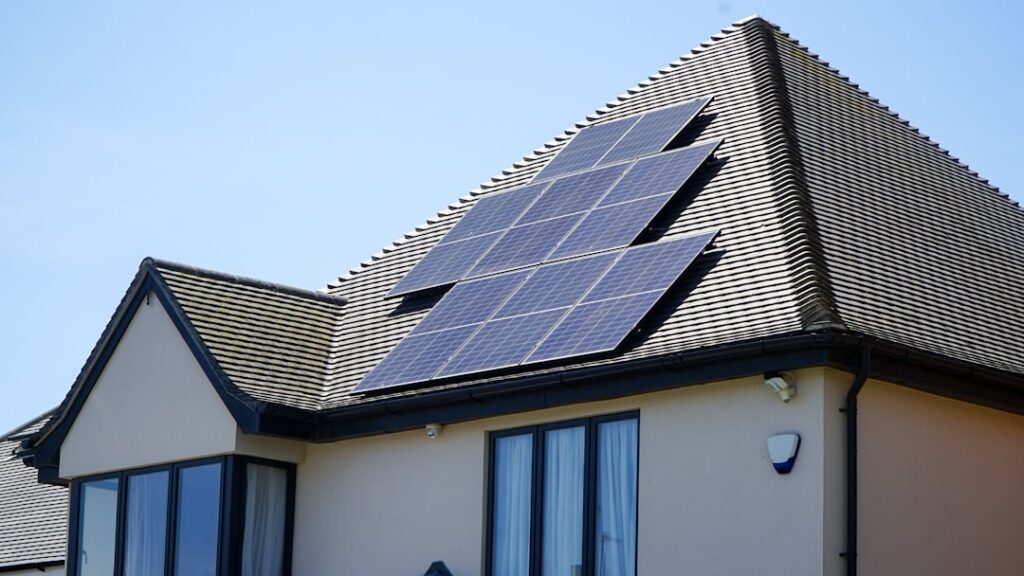
Solar panels generate electricity directly from sunlight, which reduces the amount of power families need to buy from the local utility. For Nashville, TN, this means residents can offset a significant portion of their annual electricity usage—especially during sunny months when air conditioners run most frequently. While households stay connected to the public grid, drawing less energy from it leads to lower utility bills each month.
Many residents wonder how much these savings add up. The answer depends on a home’s energy needs, the orientation and shading of the roof, and the scale of the solar system installed. In ideal cases, solar can cover a majority of a home's daytime electricity, and often produces surplus energy in spring and fall when demand is lower.
Common utility billing options in the city, such as net metering, allow households to receive credits for sending unused solar power back to the grid. These credits can reduce future bills, smoothing costs across the year.
What Upfront and Ongoing Costs Should Homeowners Expect?
The largest initial cost of going solar is usually the purchase and installation of solar panels and associated hardware. This may be a substantial investment, though prices for solar equipment have steadily declined over the past decade. Once installed, panels typically require very little routine maintenance because there are no moving parts—just seasonal rinsing and periodic inspection.
In Nashville's climate, standard panels are rated to withstand hail, thunderstorm winds, and typical seasonal conditions. Most systems are designed to operate reliably for 25 years or longer, but inverter replacements or minor electrical fixes may be needed over the lifespan.
It's important to factor in:
- The likely payback period, or how many years it takes for electricity bill savings to match the upfront investment
- Current and future utility rates in the area
- Potential insurance cost adjustments, since some insurers may require riders for rooftop solar equipment
How Does Solar Compare to Traditional Energy Over the Years?
Unlike traditional electricity generation, where monthly charges never end, solar panels can nearly eliminate or drastically shrink ongoing utility expenses after the initial investment is recovered. In Nashville, utility electricity prices have shown gradual increases, reflecting fuel costs and infrastructure upgrades. Homeowners with solar insulation are less affected by future rate hikes, since much of their power is self-generated.
Households in this area that invest in solar often see their systems "pay for themselves" through savings within 8–12 years under typical conditions. After that, monthly bill reductions are retained as net savings for the remainder of the panel lifespan—effectively providing low-cost electricity for many years.
Do Local Incentives or Tax Credits Help with Cost Savings?
Federal tax credits can reduce the financial burden of solar panel adoption. For qualified panel installations, residents may claim a percentage of the system cost as a credit on federal taxes. No specific municipal program exists currently, but Tennessee residents can benefit from property tax assessments that do not increase due to a solar installation.
These policies make the cost-benefit equation work out favorably for many local households. Still, it’s crucial to consult annually updated sources to confirm current offerings, as the incentives and their terms may evolve.
What Factors Affect Solar Savings in This Area?
A number of local factors influence how much a household ultimately saves:
- Roof size, orientation, and exposure to sunlight
- Seasonal weather patterns and average annual sunshine
- Home energy efficiency and total electricity use
- Current and future electricity rates
- System design, equipment quality, and regular maintenance

Residents who consume more electricity during daytime hours, for example, will typically benefit most directly, since they use their own solar energy when the sun is out.
Can Solar Protect Against Rising Energy Costs?
Producing your own energy insulates local households from unpredictable swings in electricity pricing. While initial outlay is significant, a properly sized system reduces long-term exposure to rate increases. In this way, solar acts as a hedge, particularly as electric bills fluctuate due to weather or underlying fuel costs.
Are There Misconceptions About Solar Savings?
A few common misunderstandings arise:
- Some assume solar works only in consistently sunny climates, but even in the varied weather of Nashville, annual solar production is sufficient to make a real difference for most homes.
- Others believe solar panels require expensive, frequent repairs. In reality, most systems need only minor periodic upkeep.
- Lastly, the savings timeline is rarely instant—most residents realize gradual, compounding financial benefits year-over-year once the system is installed and operating.
What Should Homeowners Consider Before Making a Decision?
Residents can benefit from reviewing their past energy bills, calculating expected payback periods, and weighing whether they plan to remain in their home long enough to capture the financial benefits. Even those planning to sell may find that installed solar panels can increase a property's market value and appeal to prospective buyers.
Understanding how solar fits into local energy use patterns and anticipating changes in future rates allows area households to make informed, confident decisions about long-term savings.