

 See My Latest Article on HelloNation
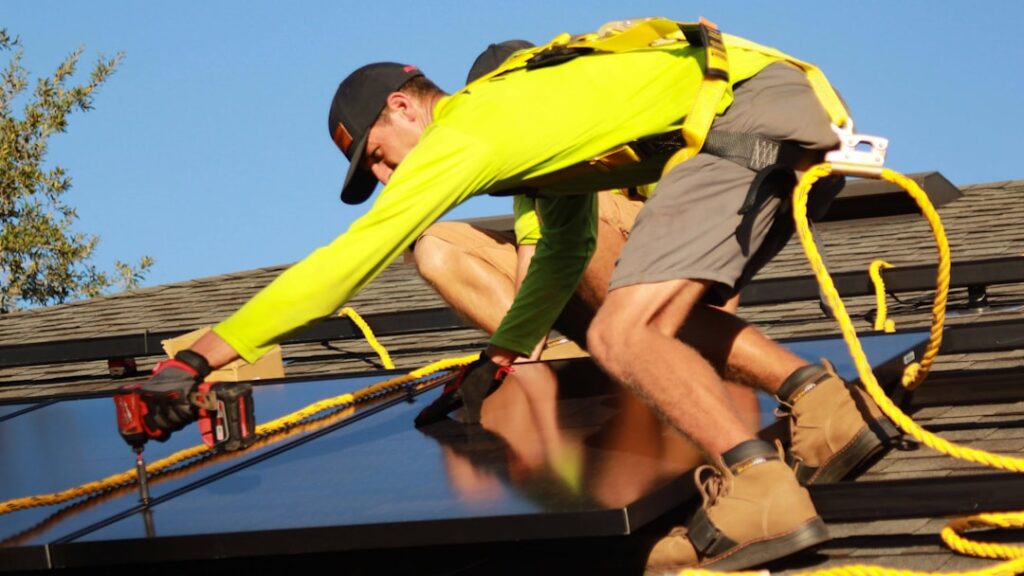
What Does a Typical Solar Panel Installation Look Like in Nashville, TN?
Solar panel installation for area households follows a predictable sequence but involves choices unique to the city’s climate, housing types, and permitting landscape. Most projects begin with evaluating your home's suitability, then move through system design and installation steps tailored to local weather patterns, roof styles, and neighborhood guidelines.
In Nashville, rooftops often vary in angle and size, historic districts have extra permit layers, and the region’s humid summers and mild winters influence both panel placement and wiring options. Understanding these local details helps residents make informed decisions throughout installation.
—
How Do You Know If Your Home Is a Good Fit for Solar Panels?
Start by assessing your roof’s exposure, structural condition, and shading. In Nashville, optimal solar sites typically have:
- Roof areas facing south or west, receiving direct sunlight most of the day
- Minimal shading from trees or nearby buildings, especially during morning and afternoon peak hours
- Roof surfaces in good repair that won’t need replacing soon (solar panels often last 25+ years)
- Enough open space for the number of panels needed to meet your electricity needs
Note that some older homes, townhouses, or properties in historic overlay districts may have restrictions on panel types and visibility from the street. Always review local guidelines for your neighborhood before proceeding.
—
What Steps Are Involved in the Permitting Process?
Installing solar panels in the city requires official building permits and, in some cases, additional approvals. Here’s how local permitting typically works:
1. Submit a solar permit application to the appropriate city department, including plans and electrical diagrams.
2. In areas with a homeowners’ association (HOA), submit documentation to your HOA board if approval is required.
3. If your property lies within a historic district, contact the Metro Historic Zoning Commission for review.
4. Wait for city reviews, which may take one to four weeks depending on volume and complexity.
5. Schedule inspections after installation to ensure everything meets electrical and building codes.
Skipping or rushing these steps can result in delays, extra costs, or even fines—especially in neighborhoods known for strict enforcement.
—
What Kind of Equipment Is Needed for a Nashville Home?
Most solar installations in the city include the following equipment:
- Photovoltaic panels, typically mounted to the roof with rails and anchor brackets
- An inverter, which converts DC electricity from the panels into AC used by home appliances
- Optional battery storage, if you want backup power during outages
- A new or upgraded electric meter to measure and credit unused electricity sent back to the grid
For steep or complex roofs, additional racking hardware may be necessary. In wildfire-prone seasons, electrical disconnects are sometimes required at easily accessible locations for safety.
Residents in the area should select panels and inverters rated for high humidity, yearly temperature swings, and occasional heavy rains. Choosing this regionally appropriate equipment ensures performance and durability.
—
How Can You Estimate the Right System Size?
To determine how many panels to install, start by reviewing your recent electricity bills for yearly usage trends. Panel output varies by angle, direction, and local climate, but Nashville typically receives about 4-5 hours of full sunlight daily, averaged throughout the year.
A simple calculation:
- Annual electricity use in kilowatt-hours (kWh) ÷ (365 days × average “peak sun hours”) = Needed system size (kW)
For example, if a household uses 12,000 kWh per year, and expects 4 hours of daily sunlight:
12,000 ÷ (365 × 4) ≈ 8.2 kW
This number gives a ballpark system size, but actual requirements may vary based on roof space, shading, and future usage goals (like adding an electric vehicle).
—
How Long Does Installation Usually Take?

Once permits are approved and equipment ordered, most residential solar panel installations take 1 to 3 days of work on site. Add time before and after for permitting, inspections, and potential modifications—bringing total project timelines to 1-2 months from initial approval to grid connection.
Common timeline factors specific to Nashville include weather delays (heavy rain, severe thunderstorms), extra inspection scheduling after local events or holidays, and variant HOA responses.
—
What Are Common Misconceptions about Solar Panel Installation?
Area residents sometimes believe that:
- Solar panels will damage the roof—proper installation distributes weight and uses flashing to prevent leaks
- Installations are unsightly—many modern panels are low-profile, and certain neighborhoods have specific rules requiring discrete placement
- Every home qualifies for net metering credits—participation in utility net metering programs may have specific enrollment deadlines or capacity limits, so verify before starting
Another misconception is that solar won't work on cloudy or short winter days; however, panels continue generating electricity year-round, albeit at lower rates during overcast spells. Summer humidity and strong sun often make spring and fall the most efficient production months.
—
What Should Residents Know About Safety and Upkeep?
Solar arrays are generally low-maintenance, but it’s important to:
- Keep panels free from excessive debris or shade by trimming nearby trees
- Watch for signs of wildlife nesting under arrays, which can damage wiring
- Schedule regular electrical inspections per local guidelines
- Never attempt complex electrical work without proper training, as this can risk shock or fire hazards
Insurance coverage may need updating, especially after significant system changes or upgrades. Checking your homeowner’s policy for solar-related stipulations is a smart move.
—
Are There Local Resources for Learning More?
Local governments and public agencies often post guides and updates about solar policies, permitting, and rebates. Community workshops at libraries or public events can be a source of unbiased information and peer advice from fellow residents.
The city’s official website and public utility frequently share updates about net metering, grid interconnection, and seasonal recommendations for solar owners. Reviewing these resources before and during your installation ensures your project matches current requirements and avoids preventable surprises.