

 See My Latest Article on HelloNation
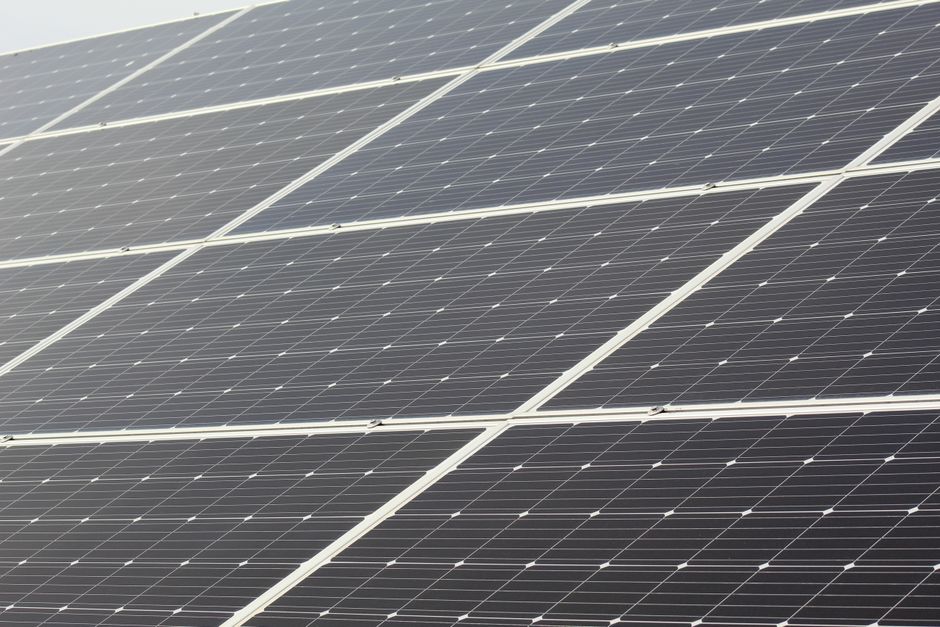
Community solar allows households to benefit from a shared solar array without installing panels on their own roof. In Nashville, TN, this can be useful for renters, condo residents, homeowners with shaded roofs, and households that prefer not to purchase or maintain a private solar system.
What is community solar?
Community solar is a solar project whose electricity or financial benefits are shared by multiple customers. The panels are installed at an off-site location, and participating households receive a credit or other benefit tied to the energy produced by their share of the project. ([energy.gov](https://www.energy.gov/cmei/systems/community-solar-basics?utm_source=openai))
The panels do not usually send electricity directly into a subscriber’s home. Instead, the solar array produces electricity for the larger power grid. The local utility measures the output, and the participant receives a bill credit or similar adjustment according to the program’s rules.
This arrangement is different from rooftop solar:
- Rooftop solar: Panels are installed on a specific home or building and primarily offset that customer’s electricity use.
- Community solar: Panels are located elsewhere, and multiple customers share the project’s output or benefits.
- Green-power purchasing: A customer pays for electricity or renewable-energy attributes without necessarily subscribing to a specific solar array.
Community solar is also not the same as receiving free electricity. Most programs involve a subscription, lease, purchase, or other payment arrangement.
How does a shared solar subscription affect an electric bill?
A community solar participant generally continues receiving a normal electric bill. The bill may include a credit for the solar energy associated with the customer’s subscription, while a separate charge may apply for the subscription itself.
The financial result depends on the program’s pricing structure. Some arrangements are designed to provide savings, while others primarily give customers a way to support renewable electricity. A credit on the utility bill does not automatically mean the overall monthly cost will be lower.
Before enrolling, review:
- The monthly subscription or lease charge
- How the solar credit is calculated
- Whether the credit changes with seasonal production
- Any enrollment, cancellation, transfer, or late-payment fees
- Whether unused credits expire
- How the arrangement handles a move or utility-account change
- Whether the subscription renews automatically
Solar production is usually higher during longer, sunnier periods and lower during cloudy winter weather. Tree cover, equipment downtime, and other operating conditions can also affect the amount of energy credited.
Is community solar available in Nashville?
Nashville Electric Service, commonly identified as NES, offers renewable-energy programs in partnership with the Tennessee Valley Authority, including Music City Solar, described by NES as Nashville’s first community solar park. The program uses an off-site solar array and applies a solar credit to participating customers’ electric bills. ([nespower.com](https://www.nespower.com/clean-energy/renewable-energy/?utm_source=openai))
NES materials state that the program is available to customers who may not have suitable roofs, including renters and condo owners. They also describe the ability to transfer a subscription and energy credits to a new account within the NES service area, subject to program terms. ([nespower.com](https://www.nespower.com/clean-energy/renewable-energy/?utm_source=openai))
Availability, pricing, enrollment capacity, and contract terms can change. Residents should rely on the current program documents and utility account requirements rather than older articles or informal claims. A program described as available in the past may have limited enrollment or different conditions later.
Who is a good candidate?
Community solar may be worth investigating if:
- The home is rented or the resident expects to move before rooftop panels would pay for themselves.
- The roof faces an unfavorable direction or receives shade from mature trees or nearby buildings.
- The property has an older roof or electrical system that is not ready for solar equipment.
- The resident lives in a condo or multifamily building where individual rooftop installation is impractical.
- The household wants to support solar development without taking responsibility for panels, inverters, repairs, or roof work.
- The household prefers a smaller ongoing commitment instead of purchasing a complete solar system.
It may be less suitable for someone seeking backup power during an outage. A typical community solar subscription does not provide electricity to the home when the grid is down. Solar panels located off-site also do not function as a private emergency power system unless a separate battery and backup arrangement exists.
How can a resident join?
Joining usually involves confirming eligibility, reviewing the program agreement, and connecting the subscription to an active electric account.
A practical process is:
1. Confirm the electric utility. Community solar programs are tied to a particular utility territory. A resident must generally have an account served by the participating utility.
2. Check current enrollment status. Look for available capacity, waitlists, minimum subscription sizes, and any customer qualifications.
3. Read the pricing terms. Compare the expected solar credit with the subscription or lease charge. Ask whether the credit is fixed, variable, or based on actual generation.
4. Review moving and cancellation rules. Determine whether the subscription can follow the customer to another address, be transferred to another eligible account, or be canceled without a fee.
5. Understand billing. Confirm whether all charges and credits appear on one utility bill or whether separate billing is used.
6. Keep the agreement and enrollment records. Save the contract, rate details, account number, and instructions for reporting billing problems.
A household should not need to install equipment, alter the roof, or arrange electrical construction simply to participate in a standard off-site community solar program.
What should residents watch for?
The phrase “community solar” can describe very different arrangements. Some offerings are utility-sponsored, while others are private subscriptions or power-purchase agreements. The name alone does not establish that a plan will save money.
Be cautious of claims that promise:
- Guaranteed bill elimination
- Immediate cash payments for signing up
- Free panels with no contract
- Government benefits that are not documented by an official source
- Large savings without showing the subscription price and credit calculation
- Pressure to provide utility-account information before receiving written terms
Tennessee’s Solar for All funding is not currently available. The Tennessee Department of Environment and Conservation states that its EPA-funded program ended on August 7, 2025, and warns residents about offers claiming to provide “free solar” through that program. ([tn.gov](https://www.tn.gov/environment/program-areas/energy/state-energy-office/programs-projects/inflation-reduction-act/solar-for-all.html?utm_source=openai))
A legitimate agreement should clearly identify the party responsible for the solar project, the billing method, the length of the commitment, and the procedure for cancellation or transfer.
Does community solar reduce a home’s electricity use?
No. A community solar subscription generally does not make the home’s appliances, heating system, water heater, or air conditioner consume less electricity. It changes how part of the customer’s electricity use is matched financially or environmentally with solar generation.
For that reason, energy-efficiency steps still matter. In the region’s humid summers and variable winter conditions, practical measures such as sealing air leaks, maintaining heating and cooling equipment, using efficient lighting, and managing thermostat settings can reduce electricity consumption regardless of whether a household joins community solar.
The clearest way to evaluate a program is to separate three questions: how much solar energy the subscription represents, how much the subscription costs, and how much credit appears on the electric bill. Those figures—not the label “solar” alone—determine whether the arrangement fits a household’s goals.