
 See My Latest Article on HelloNation
How Can You Tell If Your Home Is Suited for Solar Panels?
Many residents wonder whether their homes are actually well-matched for solar. Not every property has the right conditions for solar panel installation, and understanding the basics is the first step. In Nashville, TN, key factors include roof orientation, shade, structural integrity, and even homeowner association rules. Here’s what local households should consider before moving forward.
Does Your Roof Receive Enough Sun Throughout the Year?
A roof that gets abundant direct sunlight is a core requirement for successful solar use. In the city, a south-facing roof captures the most sunlight, though east- or west-facing orientations can also yield sufficient energy—just with a modest drop in efficiency.
Cloud cover and angle of the sun vary seasonally in this region. Summer days bring reliably strong sunlight, while tall trees and neighboring buildings can cast shadows that affect panel output, especially during leaf-heavy months. To check your situation:
- Observe which parts of your roof are sunniest throughout the day, especially between 9 a.m. and 3 p.m.
- Note any shading from nearby structures, power lines, or mature trees that could block sunlight in spring, summer, or fall.
What Roof Conditions Matter, and Will You Need Repairs First?
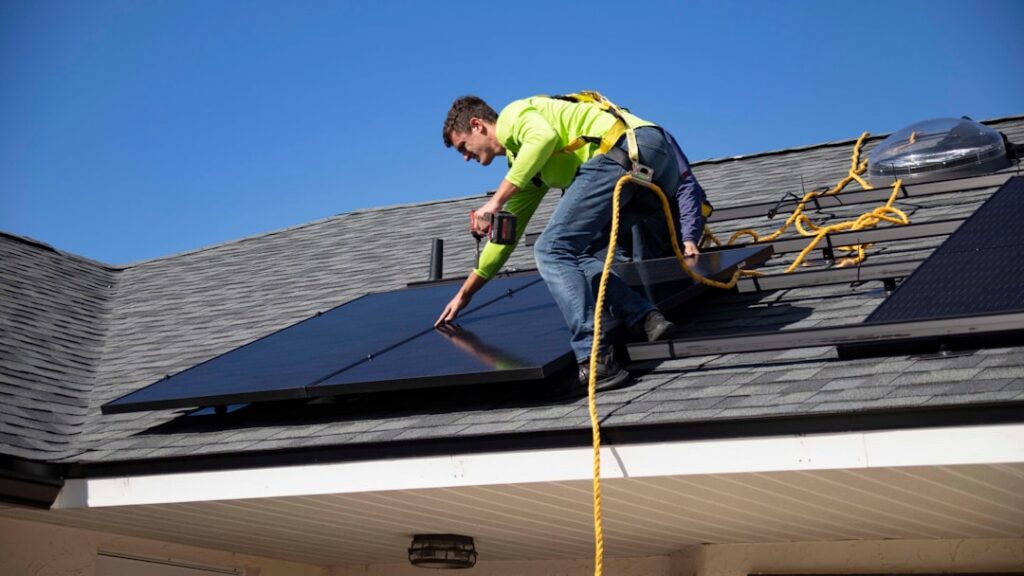
Not every roof is immediately ready for the weight and installation requirements of solar panels. Nashville homes feature a mix of roof ages, types, and structural conditions. Before considering panels:
- Inspect for missing shingles, sagging, or leaks.
- Asphalt shingle, metal, or similar sturdy surfaces work best; older wood shake or slate may require more preparation.
- Most systems require the roof to have at least 10-15 years of useful life remaining.
If a roof is nearing replacement age—or if you plan to reroof in a few years—address that first. Installing panels right before a major roof replacement can mean costly extra labor down the line.
Are Local Regulations or HOA Rules Involved?
Some neighborhoods and homeowners associations in Nashville set guidelines about visible solar panels, panel angle, or street-facing locations. Local building codes also specify safe installation, fire setbacks, and sometimes permitting requirements.
Common considerations:
- Ask HOA boards for their written rules about solar panel placement or appearance.
- Check with the local permitting office for region-specific installation regulations.
- Familiarize yourself with any historic district guidelines if you live in one.
Addressing these points early can prevent frustration and delays later.
Can Your Electrical System Handle Solar?
Switching to solar adds another power source to your home's electrical panel. In most area homes—especially older ones—an electrician may need to confirm your panel’s capacity.
Key signals that your system may need upgrades:
- Breaker panels rated under 100 amps might require updating.
- Outdated or overloaded panels can pose safety issues for new solar connections.
Modernizing your electrical panel may be necessary before any solar equipment goes in.
Are There Special Considerations for Historic or Multi-Unit Homes?
Older homes (including some found near the city’s historic districts) and multi-family dwellings often have limits other homes don’t. Unique roof materials, strict preservation rules, or shared roofing space can change what’s feasible.
For example:
- Original slate or clay tile roofs are harder—and costlier—to work with.
- Owners in multi-unit buildings may need unanimous agreement from all residents for shared solar systems.
Knowing these challenges early allows for realistic planning.

How Much Electricity Does Your Household Actually Use?
Solar panels are sized based on how much energy a home typically consumes. Most households in the area see electricity use spike in summer due to air conditioning and drop in milder months. Reviewing recent electric bills gives a sense of your average monthly usage and helps estimate what a solar array could provide.
Common misconceptions:
- Solar only “makes sense” if you have high energy bills—smaller systems can still be worthwhile for moderate use.
- Using less electricity may mean you only need a modest solar setup.
What About Battery Storage or Backup Power?
Solar systems can work without batteries, but batteries provide backup during outages or allow you to use stored solar electricity at night. In Nashville, power outages from severe storms are not uncommon. Deciding if battery storage is “worth it” depends on your desire for backup power versus your solar goals and budget.
Points to weigh:
- Batteries add cost and may not be essential for everyone.
- On their own, most solar panels do not provide power during grid outages unless paired with adequate storage or specific equipment.
Are There Financial, Community, or Utility Programs That Could Influence Readiness?
While not a requirement, incentives and programs can change the picture for local residents. Government incentives, utility programs, and neighborhood initiatives sometimes make solar more accessible by offsetting installation or equipment costs. These programs can be quite specific and change over time, so researching current options is a smart step before making a decision.
What Are Common Overlooked Factors?
Some practical, but easily missed, points when assessing readiness for solar:
- Easy rooftop access is needed for installation and ongoing maintenance.
- Rainwater runoff and gutter placement shouldn’t be disrupted by panels.
- Snow is rarely a major issue locally, but panels should be angled for good drainage.
- Climbing electricity rates or potential future electric vehicle charging needs may raise the value of going solar—even if your home’s situation isn’t perfect.
Each home is unique, and the right fit depends on a combination of factors. Careful evaluation helps ensure realistic expectations and better outcomes for every household interested in renewable energy.