
 See My Latest Article on HelloNation
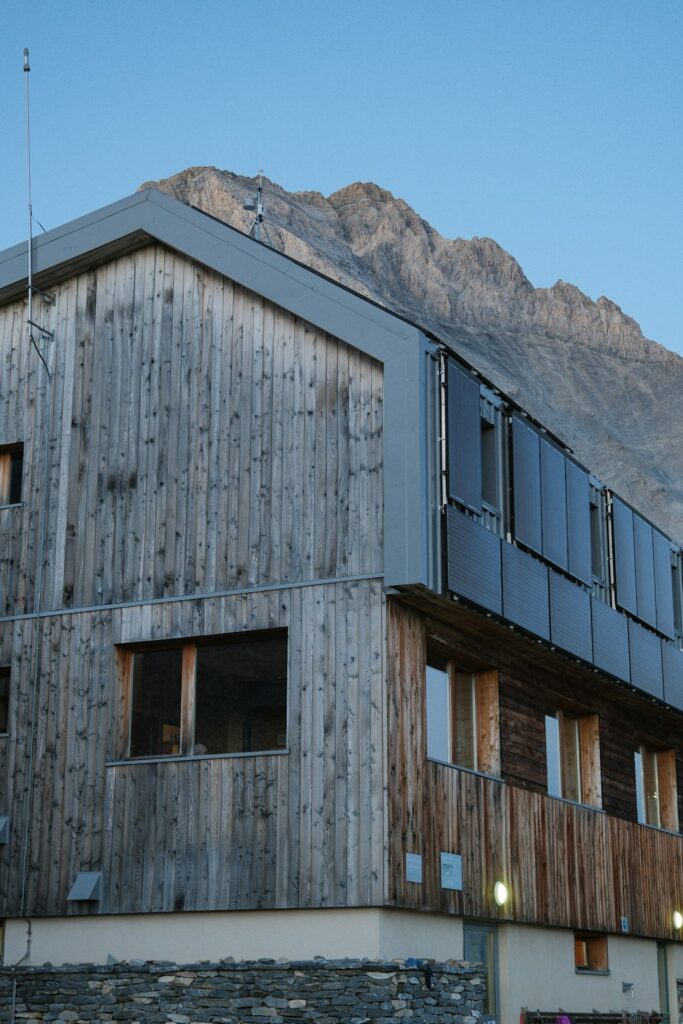
Solar energy is helping remote communities produce electricity closer to where it is needed, reduce dependence on fuel deliveries, and maintain essential services during grid disruptions. These lessons also matter in Nashville, TN, where households and public facilities face seasonal storms, heat waves, tree-related outages, and rising interest in local energy resilience.
What makes a community “remote”?
A remote community is not defined only by distance. It may be far from a major transmission line, separated by difficult terrain, located on an island, or connected to the larger grid by a single vulnerable line. Some remote communities have no grid connection at all.
In these places, electricity may come from diesel generators, propane systems, or small local power plants. Fuel must often be transported by truck, boat, or aircraft. That creates several challenges:
- Fuel deliveries can be delayed by weather.
- Transportation adds to the cost of electricity.
- Generators require regular maintenance and replacement parts.
- Fuel storage creates safety and environmental concerns.
- A failure in one generator can affect the entire community.
Solar panels offer another source of electricity. Because solar equipment can be installed in modular sections, a system can be sized for a single home, a health clinic, a school, a water system, or a larger community microgrid.
How does solar power work in an isolated area?
Solar panels convert sunlight into direct-current electricity. An inverter changes that electricity into the alternating current used by most appliances and electrical equipment.
A remote solar system may operate in one of three ways:
1. As a stand-alone system: Panels and batteries provide electricity without a connection to a larger utility grid.
2. As a grid-connected system: Solar power supplements electricity from the existing grid.
3. As a microgrid: Local solar, batteries, generators, and electrical controls work together and can disconnect from the larger grid when necessary.
A stand-alone system needs enough generation and storage to meet expected demand. A microgrid may use solar during the day, batteries after sunset, and a backup generator during extended periods of cloudy weather or unusually high demand.
Why are batteries essential?
Solar panels do not produce electricity after sunset, and their output changes with clouds, rain, shading, and seasonal daylight. Batteries allow a community to use some of the electricity generated earlier in the day.
Battery storage can support:
- Evening lighting and refrigeration
- Medical equipment
- Water pumps and treatment systems
- Communications equipment
- Heating or cooling in critical buildings
- Short-term operation during an outage
Battery size matters as much as solar-panel size. Solar capacity describes how quickly electricity can be produced. Battery capacity describes how much electricity can be stored. A system with many panels but limited storage may produce abundant daytime power yet provide little electricity overnight.
Remote communities must also plan for several cloudy days. That may require additional solar capacity, larger batteries, backup generators, energy conservation measures, or a combination of these approaches.
What is a solar-powered microgrid?
A microgrid is a localized electrical system that can operate with the larger grid or separately from it. In a remote community, it may connect homes, public buildings, communications equipment, water infrastructure, and emergency facilities.
During normal conditions, the microgrid may use solar power and batteries to reduce fuel consumption. During a larger grid outage, controls can disconnect the local system and reserve electricity for priority loads.
A well-designed microgrid does not necessarily keep every appliance running. It usually separates critical loads from lower-priority uses. Critical loads may include:
- Refrigeration for food or medicine
- Water and wastewater systems
- Emergency communications
- Fire protection equipment
- Heating or cooling in shelters
- Lighting in public facilities
This approach keeps the system smaller and more affordable than trying to provide full power to every building at all times.

Can solar replace diesel generators completely?
Sometimes, but not always. The answer depends on the community’s sunlight, electricity demand, battery capacity, weather patterns, available land, and tolerance for interruptions.
Solar can substantially reduce fuel use, especially when batteries store daytime production for evening use. In some systems, solar and batteries provide nearly all regular electricity, while a generator remains available for prolonged cloudy weather or equipment failure.
A complete replacement may be difficult if a community has heavy industrial loads, long periods of limited sunlight, or limited space for panels and batteries. In those cases, a hybrid system can still reduce fuel deliveries and generator operating hours.
Solar is also not maintenance-free. Panels require inspection, inverters may eventually need replacement, batteries have finite operating lives, and snow, dust, leaves, or storm debris can reduce production. Remote systems need spare parts, trained operators, monitoring equipment, and a plan for battery recycling or disposal.
What benefits extend beyond electricity?
Reliable electricity can improve several parts of daily life. A dependable power supply can support refrigeration, internet access, water treatment, education, healthcare, and local businesses.
Solar can also reduce exposure to fuel-price changes. If less fuel is burned, a community may experience fewer emissions and less noise from generators. Quiet electricity production can be especially valuable near homes, schools, and medical facilities.
Local energy systems may create opportunities for residents to learn electrical maintenance, system monitoring, construction, and energy management. Long-term success usually depends on local training rather than outside installation alone.
What does this mean for households in Nashville?
Nashville is connected to a much larger electric system, so most households are not facing the same fuel-delivery challenges as an isolated settlement. However, the underlying principles still apply.
A home solar system connected to the utility grid normally shuts down during an outage for worker safety. Solar panels alone do not guarantee backup electricity. To operate during a grid interruption, a system generally needs properly configured equipment, battery storage, and a method for separating selected circuits from the utility grid.
For local residents, the most useful lessons from remote communities are practical:
- Identify essential electricity needs before choosing equipment.
- Distinguish daytime energy production from nighttime backup.
- Consider how several cloudy or stormy days would affect stored power.
- Reduce waste through insulation, efficient appliances, and weatherization.
- Give priority to refrigeration, medical equipment, communications, and basic lighting.
- Understand that backup power may cover selected circuits rather than the entire home.
- Review electrical codes, utility interconnection rules, and equipment requirements.
Seasonal heat, heavy rain, severe storms, and fallen trees can all affect electric service in the region. Solar-plus-storage systems may improve household resilience, but their performance depends on proper design, safe installation, routine maintenance, and realistic expectations.
What are the main limitations?
Solar energy cannot eliminate every reliability problem. Panels produce less electricity in poor weather, batteries cost money and take up space, and major systems require careful electrical planning. In remote areas, replacement parts and technical support may be difficult to obtain.
There are also broader questions about land use, mining and manufacturing impacts, battery fire safety, end-of-life recycling, and who receives the benefits of community energy projects. A successful system considers these issues early rather than treating solar panels as a complete solution by themselves.
Remote communities show that solar power is most useful when it is part of a larger energy plan. The strongest systems combine generation, storage, efficient buildings, local management, emergency planning, and clear priorities for essential services.